November 21, 2026
Every time you slide behind the wheel, your vehicle relies on an intricate network of hydraulic circuits, planetary gearsets, and electronic sensors to translate engine power into smooth movement. Most drivers rarely think about what happens beneath the floorboards until something feels out of the ordinary. A gentle hesitation between gears, a faint mechanical hum at a stoplight, or a lingering sweet aroma in the cabin can easily be brushed aside during a busy commute. However, modern drivetrains are finely tuned mechanical assemblies that communicate distress through subtle operational changes. Overlooking early warning signals often leads to extensive internal damage, turning manageable maintenance into complete mechanical failure. Recognizing the earliest warnings that an automatic gearbox requires professional evaluation can save you substantial time, prevent hazardous roadside breakdowns, and extend the lifespan of your vehicle.
Recognizing Warning Signs in Daily Driving
Experiencing Hesitation During Shifts
One of the most frequent indicators of drivetrain distress appears when a vehicle struggles to engage the requested gear. In a properly operating system, transitions occur seamlessly within fractions of a second. If you press the accelerator and notice the engine revving higher while the vehicle fails to accelerate at the expected rate, internal clutch packs or bands may be slipping. This sensation often mimics the feeling of driving over a patch of ice, where engine speed climbs without corresponding road speed. Delay can also manifest when shifting from park into reverse or drive. If you must pause for several seconds before the transmission catches and engages, hydraulic pressure is likely insufficient. Internal seals may have hardened with age, or fluid pathways could be restricted by debris. When slipping or delayed engagement begins to happen consistently, seeking professional automatic transmission repair becomes crucial to protect internal gearsets from severe friction damage.
Feeling Unusual Vibrations and Shudders
Modern vehicles are engineered to insulate occupants from mechanical harshness, making unexpected physical feedback particularly noticeable. A transmission in good health delivers uninterrupted power across every gear ratio. When internal components deteriorate, drivers frequently experience a distinct shuddering sensation, often described as driving over small rumble strips on an otherwise flat highway. This shudder typically occurs during light acceleration or when the torque converter lock-up clutch engages. If the vehicle shakes, jerks, or produces a harsh clunking sensation during regular upshifts, worn friction plates or damaged gear teeth may be struggling to maintain contact. Addressing these physical irregularities early through certified automatic transmission repair preserves structural integrity and keeps minor mechanical wear from damaging neighboring drivetrain components.
Identifying Sensory Indicators of Mechanical Wear
Detecting Burning Odors from Fluid
Fluid serves as the lifeblood of your entire drivetrain, lubricating moving parts, cooling internal components, and generating the hydraulic pressure required to actuate gear changes. Clean fluid exhibits a vibrant pink or semi-translucent red color and carries a neutral, slightly petroleum-like scent. When fluid undergoes extreme thermal breakdown due to friction or cooling system inefficiencies, it turns dark brown or black and emits an acrid, pungent odor reminiscent of burnt toast. According to official automotive data published by the U.S. Department of Energy, automatic configurations are equipped on well over 99% of passenger automobiles assembled annually across American manufacturing facilities. Because the overwhelming majority of daily transport relies on these automated assemblies, keeping hydraulic fluids in optimal working condition is an absolute necessity for domestic drivers. Degraded fluid loses its ability to protect metal surfaces, rapidly accelerating wear across valves, pumps, and planetary gears until timely automatic transmission repair restores appropriate lubrication.
Spotting Active Leaks Beneath the Frame
Unlike motor oil, which can slowly consume itself over thousands of driving miles without signifying an emergency, transmission fluid functions inside a closed hydraulic ecosystem. A vehicle should never lose transmission fluid during regular operation. If you notice bright red, dark pink, or brownish puddles forming on your driveway or garage floor beneath the center of the engine bay, an active breach exists. Common sources include deteriorating pan gaskets, compromised cooler lines, cracked torque converter housings, or failing axle seals. Operating any automated drivetrain with insufficient fluid volume starves the pump of necessary pressure, generating rapid friction and intense heat. Routine inspections that catch minor seepage before fluid levels drop drastically can prevent the need for an extensive automatic transmission repair later on.
Listening to Auditory Clues Across Operations
Hearing Whining and Humming Noises
Mechanical gear assemblies generate specific sound profiles when clearances change or bearings deteriorate. While manual transmissions tend to announce internal damage with loud grinding sounds, automatic systems frequently communicate stress through rhythmic whining, humming, or buzzing frequencies. A persistent whining sound that fluctuates with engine speed often points to a worn internal fluid pump or a clogged intake screen starving the pump of fluid. In other instances, a steady hum that changes pitch as the vehicle shifts through sequential gears signals bearing wear or damaged planetary gear teeth. Because cabin insulation can mask these sounds during high-speed travel, turning off the radio and rolling down the windows periodically can help you detect these auditory changes. If unusual noises accompany your daily commute, scheduling an evaluation for automatic transmission repair ensures internal gear damage is halted before total mechanical lockup occurs.
Noticing Grinding Between Gear Transitions
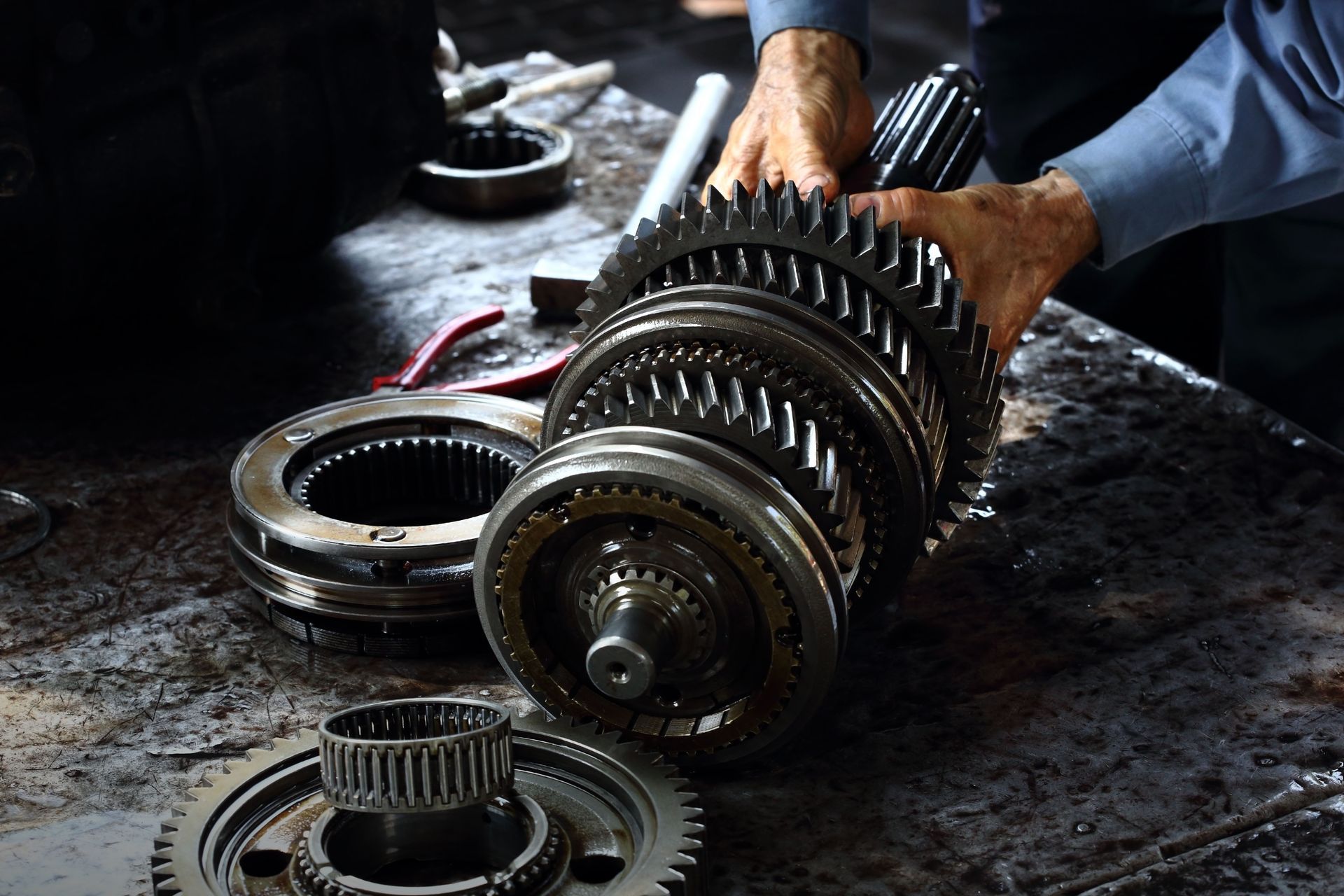
Grinding sensations are unmistakable warnings of metal-to-metal contact within the housing. While less common in automated drivetrains than manual gearboxes, grinding sounds during automatic operation indicate that internal friction materials have completely worn away, leaving bare steel plates to contact one another. It can also stem from worn planetary carrier bearings or damaged thrust washers that allow internal shafts to travel out of alignment. Continued driving while metal components grind against each other circulates fine metallic shavings throughout the entire hydraulic system. These sharp contaminants lodge inside tiny valve body channels, score polished valve bores, and ruin electronic solenoids. Stopping the vehicle and arranging for professional automatic transmission repair as soon as grinding is detected prevents this metal contamination from destroying the entire hydraulic circuit.
Monitoring Electronic and Dashboard Notifications
Observing Active Warning Light Indicators
The modern automobile relies heavily on sophisticated computer networks to manage powertrain efficiency. The transmission control module constantly monitors dozens of data inputs, including input shaft speed, output shaft speed, temperature sensors, and hydraulic line pressure transducers. When sensor readings deviate from programmed operational parameters, the computer logs a diagnostic trouble code and illuminates the check engine light or a dedicated transmission temperature warning icon. Many drivers make the mistake of ignoring an illuminated check engine light because the vehicle continues to drive normally. However, electronic control units often detect slipping or micro-delays long before they become noticeable through the steering wheel or seat. Taking your vehicle in for diagnostic automatic transmission repair allows technicians to retrieve specific error codes, pinpointing electronic faults or pressure anomalies before they escalate into structural component failures.
Responding to Unexpected Limp Mode Activation
When an onboard control module detects a severe mechanical or electronic anomaly, it often initiates a protective operational protocol known as limp mode or fail-safe mode. During limp mode, the vehicle automatically locks itself into a single forward gear, usually second or third gear, while restricting maximum engine revolutions. This built-in safeguard limits torque delivery to prevent catastrophic internal breakage while allowing you to safely pull off busy roadways or navigate to a nearby service facility. Experiencing limp mode can be alarming, as the vehicle will feel sluggish off the line and refuse to upshift into higher cruising gears on open roads. It is a direct signal from your vehicle's computer that continued operation under normal conditions poses an immediate danger to internal components. Seeking prompt
automatic transmission repair clears the underlying fault condition and restores complete electronic and mechanical functionality.
Maintaining a vigilant eye and ear for these drivetrain warnings ensures your vehicle continues to perform safely and efficiently across every journey. Prompt attention to unusual shifts, strange noises, active fluid puddles, and dashboard indicators prevents minor component wear from compromising the entire vehicle. If your vehicle is displaying any of these warning signs, reach out to the dedicated team at Speedy's Transmission and Auto Repair to schedule a comprehensive evaluation and keep your vehicle operating smoothly on the road ahead.