November 6, 2026
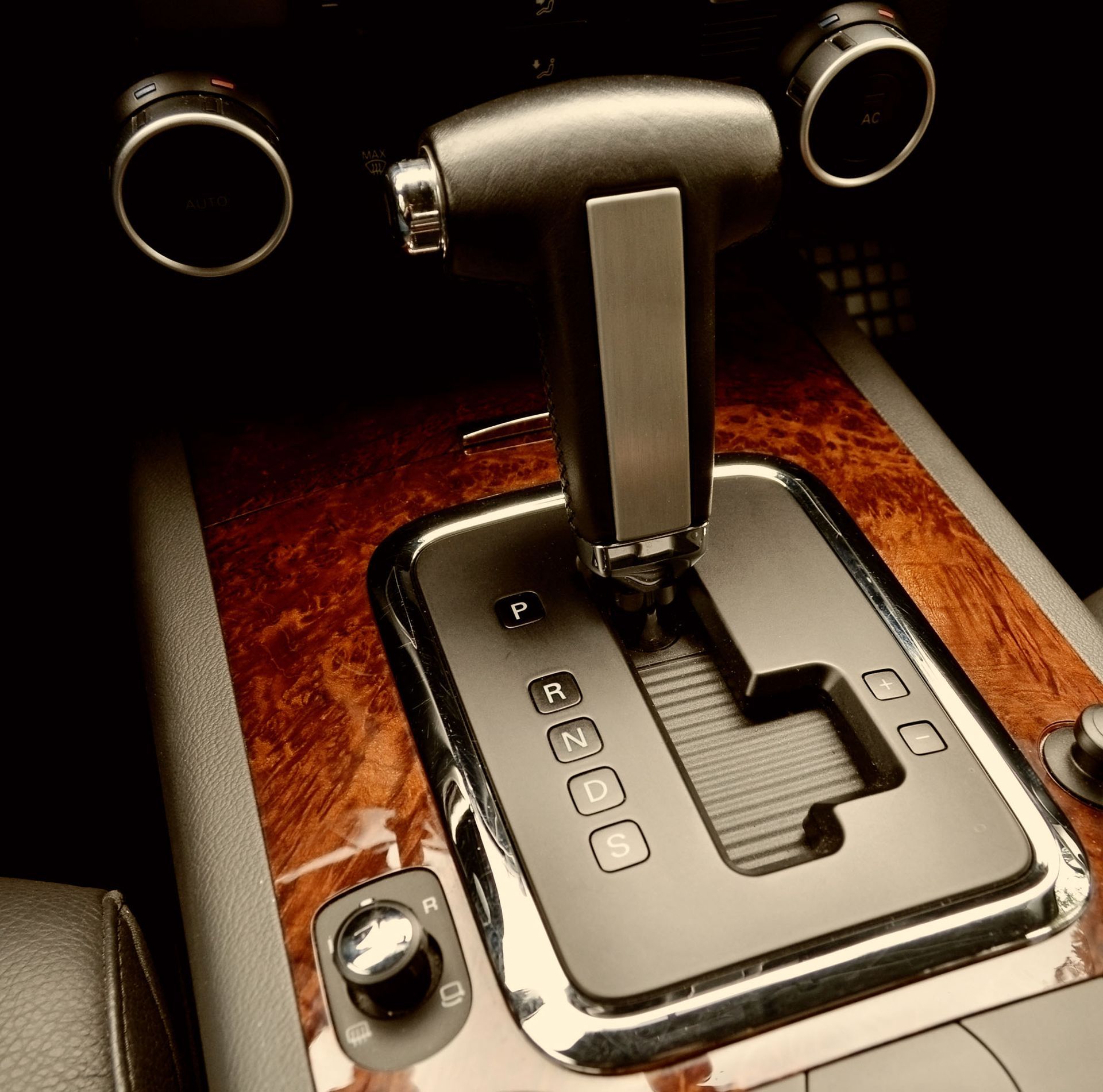
Every vehicle owner relies heavily on their automobile to navigate the daily demands of modern life, from morning commutes to long distance highway journeys. At the heart of a vehicle power delivery system lies modern gearing architecture, which requires consistent care to keep mechanical operations performing smoothly. Recognizing the value of automatic transmission repair can protect drivers from unexpected road failures and costly emergency towing situations. When internal components remain properly aligned and lubricated, the vehicle exhibits improved fuel economy, optimal acceleration, and seamless gear shifts. Investing in regular diagnostic checks ensures that small operational irregularities are resolved before they turn into severe mechanical breakdowns. Establishing a dependable inspection routine gives drivers greater control over long term transportation costs.
Beyond preserving day to day drivability, maintaining internal assemblies safeguards the long term resale value of the car. Sophisticated mechanical systems are engineered with tight tolerances, making them vulnerable to heat, friction, and fluid contamination over extended usage. By prioritizing professional vehicle upkeep, drivers protect their financial investments while ensuring safety for themselves and their passengers. A proactive approach to mechanical health reduces unnecessary stress on connected drivetrain elements like axles and engines. Taking time to address early warning signs keeps automobiles running dependably for hundreds of thousands of miles. Consistently maintained automobiles also deliver far greater peace of mind during unexpected long distance travel.
Inspecting Fluid Quality and System Pressure
Maintaining proper fluid levels is crucial, as too little or degraded fluid can cause overheating and gear slippage. According to AAA Club Alliance, most vehicles require a transmission fluid change after 30,000 to 60,000 miles of driving. This guideline underscores the importance of monitoring and maintaining fluid levels to ensure optimal transmission performance. When fluid loses its heat dissipation properties, hydraulic pressure drops significantly within the internal chambers. Professional technicians evaluate fluid clarity and scent to determine whether internal friction materials have begun to break down. Scheduled fluid testing helps prevent fine metal particulates from damaging internal valves.
Maintaining correct line pressure allows the hydraulic system to apply internal clutch packs without hesitation or physical grinding. When pressure fluctuates due to low fluid volume or pump wear, the entire driving experience becomes unpredictable and rough. Routine service visits allow mechanics to check for micro leaks around gaskets, seals, and cooler lines. Fixing minor fluid weeping early preserves internal pressure balance and prevents structural heat damage. Long term operational safety depends heavily on keeping hydraulic fluid clean, cool, and full. Promptly replacing degraded fluid protects complex internal passageways from restricted flow issues.
Detecting Early Warning Signs of Mechanical Wear
Recognizing early indicators of mechanical distress allows drivers to seek professional automatic transmission repair before catastrophic system failure occurs. Slipping gears, unusual shuddering during acceleration, and sudden delays when shifting out of park are clear signals of internal strain. When these symptoms appear, internal clutch plates may be suffering from excessive wear, or valve bodies might be suffering from restricted hydraulic flow. Addressing these minor operational disruptions early prevents metal shavings from circulating through internal chambers. Ignoring subtle warning indicators typically leads to compounding component degradation across the entire unit. Drivers who respond quickly to unusual shifting behavior regularly avoid major mechanical overhauls.
Audible sounds like whining, humming, or deep clunking during gear transitions also point toward underlying mechanical issues. These noises often originate from worn planetary gear sets, damaged bearings, or failing hydraulic pumps. Timely professional evaluation identifies the precise root cause of the noise, allowing for targeted component replacement rather than total system replacement. Delaying necessary service causes localized wear to spread into adjacent gear sets, drastically increasing repair complexity. Staying attentive to changes in vehicle behavior protects both safety and financial stability. Early mechanical interventions consistently preserve smooth power distribution throughout the entire drivetrain.
Replacing Worn Components to Restore Functionality
Executing targeted replacement of individual internal parts restores complete system functionality while saving vehicle owners substantial money. Valve body solenoids, which control the flow of hydraulic fluid to trigger gear shifts, frequently wear out over prolonged driving cycles. Replacing faulty solenoids restores crisp, accurate gear selection without requiring a complete unit overhaul. Professional mechanics utilize advanced diagnostic scanners to pinpoint electrical and mechanical solenoid failures quickly. Prompt component swaps return fluid flow dynamics to factory specifications, preserving internal torque conversion efficiency. Precision replacements allow older mechanical assemblies to function with factory like responsiveness regarding automatic transmission repair.
Filter replacements represent another essential step during routine mechanical restoration work. The internal filter captures minute debris and metal fragments created during normal gear engagement, preventing them from recirculating through sensitive passages. Over time, a clogged filter starves internal pumps of hydraulic fluid, leading to severe overheating and pressure loss. Installing a fresh filter alongside clean fluid reestablishes optimal circulation rates across all heat exchangers. Regular replacement of wear prone elements extends total system lifespan significantly. Clean filtration pathways guarantee that sensitive electronic actuators operate without physical resistance.
Preventing Severe Overheating and Component Fatigue
Managing thermal stress remains one of the most vital aspects of keeping complex vehicle gearboxes running efficiently over time. High operating temperatures break down liquid lubricants rapidly, leaving metallic gear surfaces exposed to destructive direct contact. Utilizing dedicated heat exchangers and external cooling lines keeps operational fluid within safe thermal boundaries during heavy towing or stop and go traffic. Specialized technicians inspect these cooling circuits during routine automatic transmission repair to clear internal blockages and repair physical damage. Maintaining proper heat dissipation prevents delicate rubber seals and internal O-rings from hardening and leaking. Effective temperature control ensures consistent hydraulic pressure across all driving environments.
When heat builds up unchecked inside the housing, delicate electronic sensors and solenoid wiring harnesses suffer permanent damage. Excessive thermal expansion can also warp valve body housings, causing cross leaks between internal hydraulic channels. These thermal distortions ruin shifting precision and drastically accelerate internal clutch wear. Proactive cooling system checks ensure that heat is effectively transferred away from vital moving parts. Preventing thermal fatigue keeps internal components operating smoothly, even under challenging driving conditions. Modern heat management techniques vastly improve long term mechanical reliability for heavy use vehicles.
Partnering with Professional Automotive Technicians
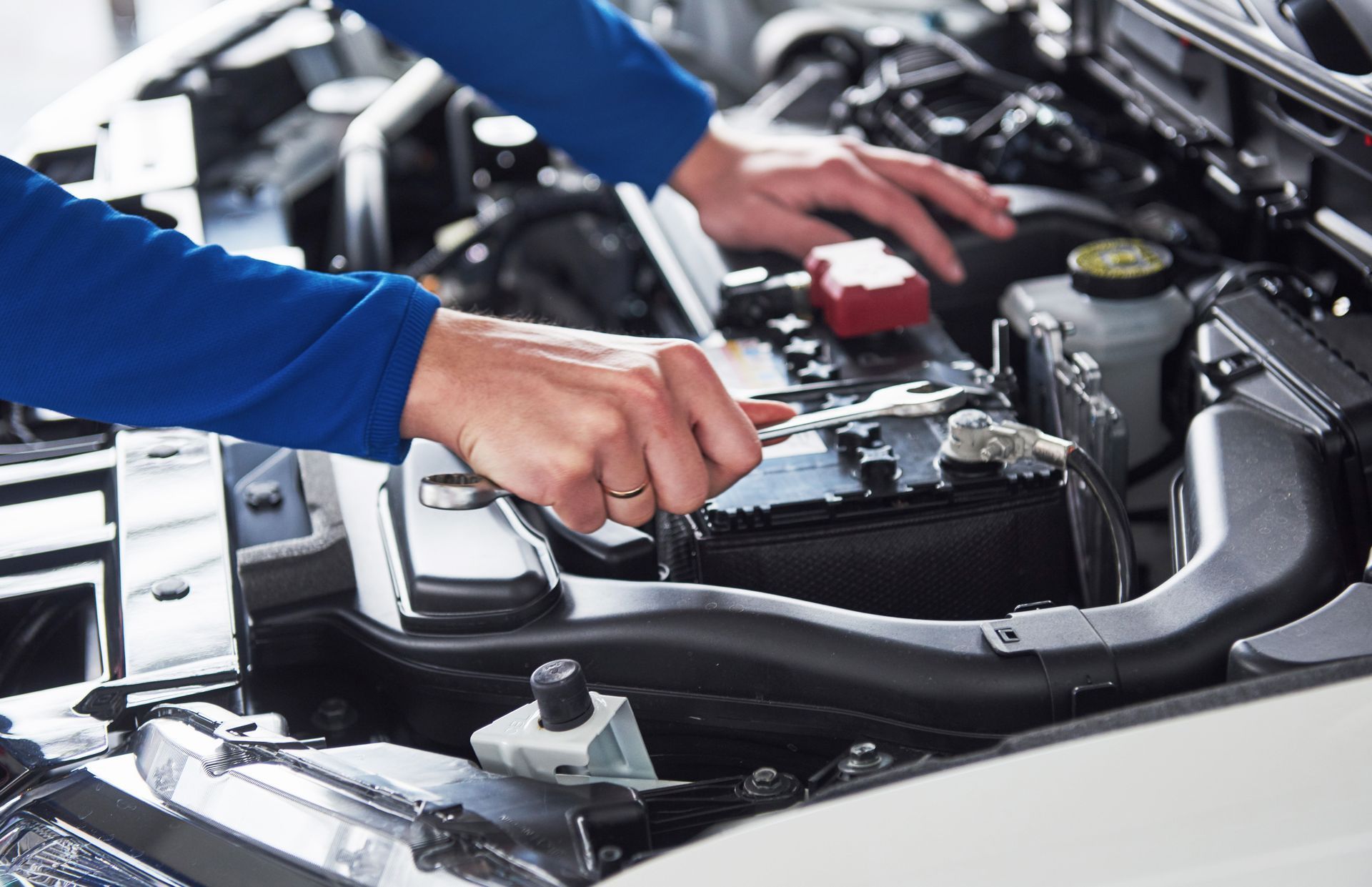
Selecting qualified repair facilities ensures that complex modern gear systems receive accurate diagnostic testing and expert mechanical service. Certified mechanics possess specialized tools, diagnostic software, and technical training necessary to service modern electronic shift controls. Entrusting your vehicle to certified experts provides confidence that every adjustment matches strict manufacturer specifications. Professional shops also utilize high grade replacement parts and correct fluid formulations tailored specifically to your vehicle make and model. Proper service execution protects complex electronics from damage during overhaul procedures. Skilled technicians can quickly decipher complex electronic fault codes to pinpoint mechanical issues.
Quality service centers offer comprehensive warranties on their work, giving vehicle owners lasting peace of mind. Clear cost estimates, transparent explanations of necessary services, and thorough multi point inspections characterize reputable repair facilities. Technicians evaluate every aspect of the drivetrain to ensure that peripheral components like engine mounts and driveshafts do not strain internal gearboxes. Establishing a strong relationship with an experienced automotive shop simplifies long term vehicle maintenance tracking. Expert care guarantees maximum reliability, smoother power delivery, and prolonged operational life for your vehicle. Working alongside dedicated professionals removes uncertainty from routine automobile maintenance decisions.
Prioritizing regular maintenance and timely service remains the single most effective strategy for preventing unexpected vehicle breakdowns on the road. By recognizing early signs of internal wear, maintaining clean hydraulic fluid, and addressing minor fluid leaks immediately, drivers protect their vehicles against major mechanical failures. Modern power transfer systems require expert attention to navigate high thermal stresses and precise electronic shifting demands safely. Seeking professional automatic transmission repair at the first sign of hesitation or slipping prevents small operational flaws from turning into expensive structural overhauls. Keep your vehicle performing at its absolute best by scheduling a comprehensive drivetrain inspection with Speedy's Transmission and Auto Repair today.