November 17, 2026
A sudden slipping gear, burning odor, or grinding noise under your vehicle often points to severe internal powertrain damage. When internal mechanical components suffer extensive wear, complete overhauls provide a reliable path back to dependable vehicle operation. Locating reputable repair facilities that perform transmission rebuilds ensures your vehicle receives thorough mechanical evaluation and precision service without unnecessary expenses.
Step 1: Identifying Facilities That Actually Complete Internal Restorations
Many standard automotive service stations handle fluid exchanges and minor sensor replacements, yet fewer shops maintain the specialized tooling required for complete internal overhauls. Selecting the right facility requires distinguishing between businesses that outsource internal labor and those that complete transmission rebuilds on site.
When you contact automotive centers, ask direct questions regarding their facility capabilities:
- Inquire whether technicians dismantle, clean, and inspect internal components within their own workshop.
- Ask how their staff tests electronic solenoids, planetary gears, and valve bodies.
- Clarify whether they service both automatic and manual configurations.
- Confirm that they supply itemized estimates detailing replacement bands, clutches, seals, and torque converters.
Entrusting an intricate powertrain assembly to experienced professionals prevents recurring mechanical complications. Facilities that perform their own transmission rebuilds maintain direct oversight throughout the disassembly, cleaning, replacement, and reassembly stages. This direct oversight translates to greater accountability and clearer communication regarding your repair timeline.
Step 2: Assessing Diagnostic Capabilities and Mechanical Inspections
Thorough diagnostic evaluations form the foundation of proper mechanical repairs. A trustworthy shop will never suggest extensive rebuild work based solely on a brief test drive or an initial visual inspection. Modern transmissions rely heavily on computer networks, pressure switches, and complex hydraulic channels that demand modern scanning equipment.
According to DOT Transmissions, with regular maintenance and diligent care, a vehicle's transmission can reach beyond 300,000 miles before experiencing failure. When catastrophic wear does occur, a dedicated facility conducts multi-point diagnostics to identify the exact source of failure:
- Technicians connect advanced diagnostic scanners to retrieve trouble codes from the engine and transmission control modules.
- Service personnel complete a physical road test to evaluate shift timing, fluid temperature changes, and torque converter lockup.
- Mechanics inspect fluid condition, checking for burnt friction material, metal shavings, and coolant contamination.
- Technicians perform hydraulic pressure testing to verify that fluid line pressures meet original equipment manufacturer specifications.
Comprehensive diagnostics safeguard vehicle owners against paying for major transmission rebuilds work when a failed sensor, broken wire harness, or stuck solenoid is the true culprit. When extensive internal wear is confirmed, comprehensive testing ensures no related secondary problems remain unresolved.
Step 3: Comparing Rebuilding Against Full Replacements and Remanufactured Units
Vehicle owners facing major drivetrain problems typically choose between repairing existing assemblies, installing remanufactured units, or commissioning comprehensive overhauls. Understanding the distinct differences between these approaches enables motorists to make practical financial decisions.
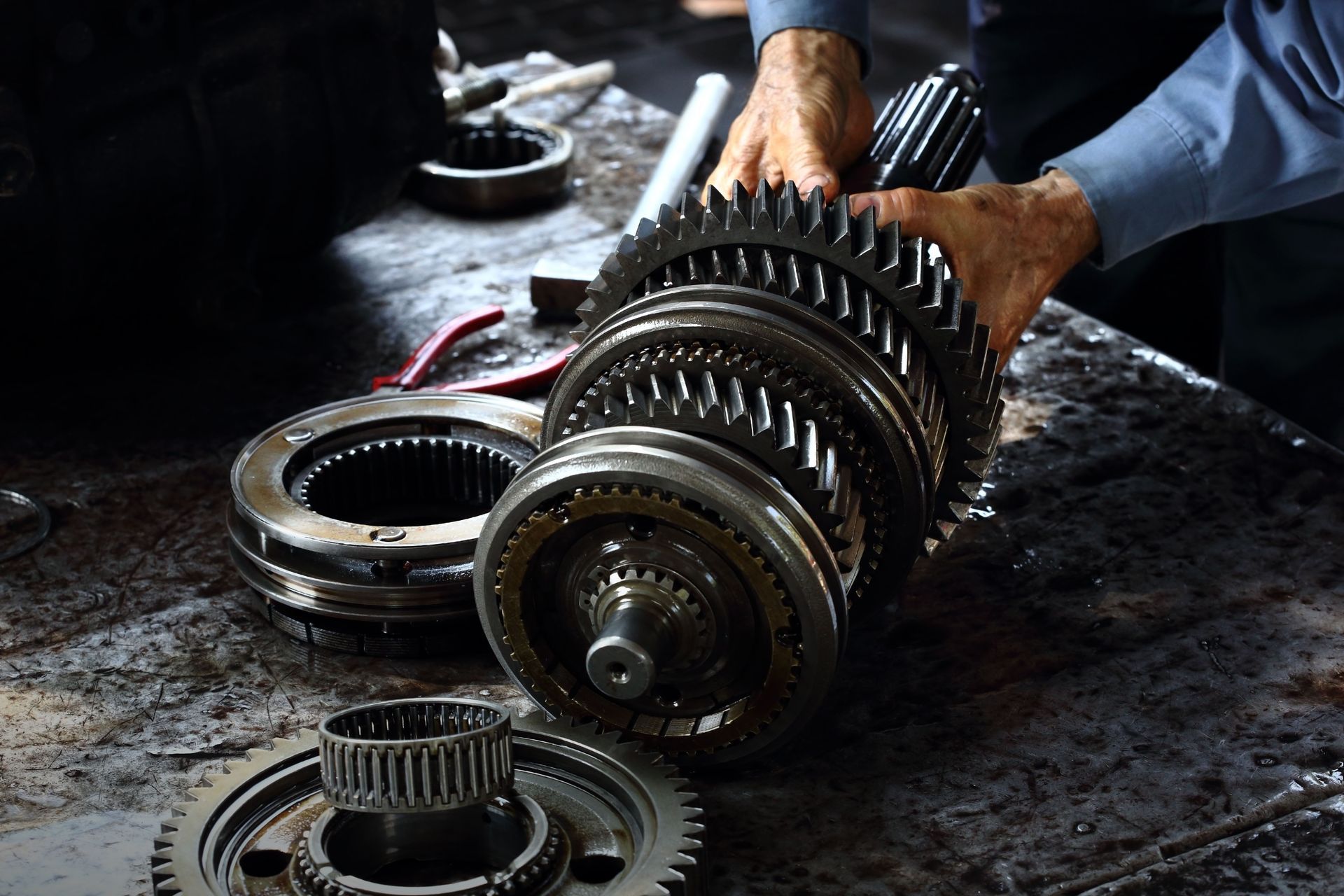
During comprehensive transmission rebuilds, technicians remove the transmission from the chassis, completely disassemble the unit, and clean every individual component in an industrial parts washer. Technicians then discard worn friction plates, seals, gaskets, bushings, and damaged hard parts, replacing them with fresh original-equipment or high-grade aftermarket components. Sound structural elements, such as the outer case, shafts, and undamaged planetary gear sets, are carefully retained.
This targeted approach offers distinct advantages over alternative replacement solutions:
- Cost Efficiency: Preserving undamaged structural casings and gear assemblies reduces material expenses compared to purchasing brand-new crate units from dealerships.
- Component Familiarity: Your original transmission case remains with your chassis, eliminating fitment mismatches with crossmembers, linkages, and bellhousing alignment pins.
- Tailored Updates: Technicians install updated friction materials, upgraded valve body separator plates, and improved shift kits designed to address known factory design flaws.
Selecting dedicated rebuild facilities allows drivers to restore dependable functionality while avoiding the substantial premium associated with factory-new replacements.
Step 4: Reviewing Warranty Coverage, Parts Quality, and Transparency
Reliable automotive facilities support their craftsmanship through transparent warranty policies and dependable replacement components. Because transmission overhauls represent significant investments, reviewing the fine print of service agreements protects motorists from unexpected disputes.
Reputable establishments clearly outline warranty terms covering both replacement parts and technician labor. Dependable service centers provide written documentation explaining the duration of coverage, applicable mileage limits, and any required follow-up inspections, such as a complimentary fluid re-check at 1,000 miles.
Inquire about the origin of replacement hardware. Transmission rebuilds should feature high-temperature elastomeric seals, heavy-duty clutch packs, and remanufactured or upgraded torque converters. Quality components withstand intense heat cycles and high operating pressures, ensuring the finished unit delivers long-lasting durability across tens of thousands of miles. Transparent service advisers willingly display old components to show you the exact physical wear that prompted the repairs.
Step 5: Evaluating Comprehensive Driveline and Automotive Service Offerings
Powertrain problems rarely occur in complete isolation. Excessive engine vibration, worn universal joints, failing motor mounts, or restricted cooling lines can place severe mechanical stress on an internal transmission assembly. The most dependable repair centers offer broad mechanical capabilities to address all interconnected systems.
A shop that provides comprehensive automotive maintenance ensures your restored transmission operates in harmony with surrounding systems:
- Cooling System Flushing: Contaminants from a failed transmission collect inside auxiliary coolers and radiator tanks. A full-service shop thoroughly flushes or replaces these cooling lines to prevent stray metal debris from ruining newly installed components.
- Clutch and Flywheel Service: For manual transmissions, technicians inspect the flywheel, pilot bearing, pressure plate, and hydraulic slave cylinder to ensure seamless engagement.
- Differential and Transfer Case Maintenance: Four-wheel-drive and all-wheel-drive vehicles rely on transfer cases and front and rear differentials that require routine fluid service and seal inspections.
- Engine Tuning and Electrical Care: Sensor failures, vacuum leaks, and engine misfires disrupt shift timing signals sent by the powertrain control module. Facilities capable of general engine repair diagnose and resolve these root problems promptly.
Choosing an automotive center equipped to handle complete drivetrain needs prevents you from visiting multiple facilities to resolve related mechanical concerns.
Step 6: Checking Local Reputation, Customer Reviews, and Estimates
Before authorizing major mechanical work, thorough drivers consult local reviews, verify business longevity, and evaluate the professionalism of the service staff. Established community repair shops earn their local reputation through honest communication, fair pricing structures, and consistent repair outcomes.
Pay close attention to customer feedback regarding:
- Estimate Consistency: Look for reviews confirming that final billing matched initial written estimates without unexpected surplus fees.
- Timeline Management: Take note of how well the facility adheres to promised turnaround times, recognizing that parts sourcing can occasionally impact schedules.
- Communication Standards: Read how advisers update customers during multi-day repairs, specifically whether they seek authorization before performing unexpected additional work.
- Cleanliness and Organization: A clean, organized service reception area and orderly repair bays reflect disciplined workmanship throughout the facility.
Gathering two or three detailed written quotes from established neighborhood shops provides a realistic baseline for regional labor rates and component pricing. When evaluating competitive bids, prioritize thoroughness, warranty backing, and clear communication over unusually low initial estimates, as excessively cheap quotes frequently omit essential replacement items like torque converters or cooling flushes.
Securing Dependable Transmission Care
Investing in professional mechanical overhauls restores structural integrity, dependable performance, and peace of mind to vehicle owners facing major drivetrain distress. Navigating transmission rebuilds with confidence requires partnering with an established automotive repair facility that pairs meticulous diagnostic standards with transparent communication, high-grade replacement parts, and dependable warranty support. For dependable driveline inspections, complete overhauls, and general automotive care, schedule an appointment with Speedy's Transmission and Auto Repair.