October 27, 2026
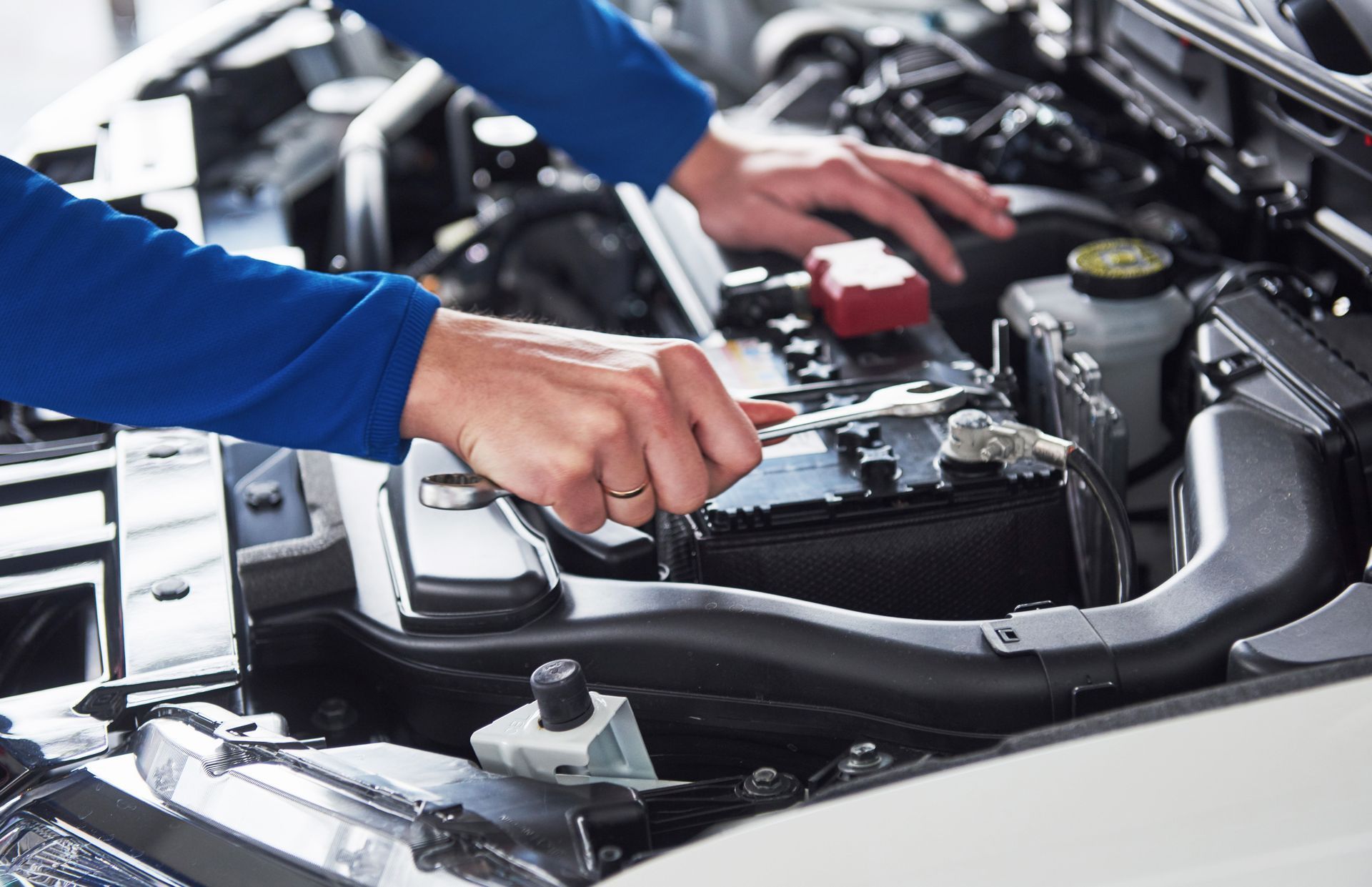
A vehicle's engine plays a central role in determining how smoothly, efficiently, and reliably it operates. Over time, normal wear, accumulated deposits, aging components, and mechanical problems can affect engine performance. Drivers may notice reduced acceleration, unusual noises, rough idling, increased fuel consumption, or difficulty starting their vehicles. Although some symptoms develop gradually, ignoring them can allow relatively minor concerns to become more complicated. Professional engine repairs can address underlying mechanical problems and help restore proper operation. Understanding how timely repairs contribute to vehicle performance can help drivers recognize warning signs, make informed maintenance decisions, and protect their investment.
1. Restoring Proper Engine Power and Acceleration
One of the most noticeable signs of engine trouble is a reduction in power. A vehicle may struggle to accelerate, respond slowly when the driver presses the gas pedal, or have difficulty maintaining speed on hills. These problems can develop when components responsible for fuel delivery, ignition, or airflow are not functioning correctly. Worn spark plugs, malfunctioning sensors, clogged filters, and fuel system problems can interfere with the engine's ability to generate power efficiently. Identifying the source of these issues is essential for restoring normal performance.
Professional engine repairs can address damaged or malfunctioning components that contribute to reduced power. Technicians may inspect ignition systems, evaluate fuel delivery, test sensors, and examine other mechanical systems to determine what requires attention. Replacing worn components or correcting operating problems can help the engine respond more consistently to acceleration demands. Improved power delivery can make everyday driving more comfortable, particularly when merging onto highways, navigating hills, or carrying additional passengers and cargo.
2. Improving Fuel Efficiency and Combustion
Fuel efficiency depends on how effectively an engine combines air and fuel during combustion. When components become dirty, worn, or improperly calibrated, the engine may consume more fuel than necessary. Malfunctioning oxygen sensors, worn spark plugs, leaking fuel injectors, and other problems can affect combustion performance. Drivers may notice that they need to refuel more frequently even though their driving habits have not changed. These symptoms can indicate that the engine is operating less efficiently than intended.
Timely engine repairs can help correct problems that interfere with fuel combustion. A technician may evaluate sensor readings, inspect ignition components, and check the fuel delivery system to identify inefficiencies. Restoring proper operation can help the engine use fuel more effectively and reduce unnecessary consumption. However, actual fuel economy also depends on vehicle condition, driving habits, tire pressure, and road conditions. Addressing mechanical problems alongside routine maintenance can help drivers manage operating expenses while supporting consistent vehicle performance.
3. Reducing Rough Idling and Unusual Vibrations
A properly functioning engine should generally maintain a relatively steady idle when the vehicle is stopped. Rough idling may cause noticeable shaking, inconsistent engine speed, or vibrations throughout the cabin. These symptoms can result from ignition misfires, vacuum leaks, dirty throttle components, or problems involving fuel delivery. Although occasional vibrations may seem minor, persistent roughness can indicate an underlying issue that deserves professional attention. Ignoring these warning signs may allow operating problems to continue or worsen.
Engine repairs can help identify and correct the conditions responsible for unstable idling. Technicians may examine spark plugs, ignition coils, air intake components, and other systems involved in maintaining consistent engine operation. Once the underlying problem is corrected, the engine may idle more smoothly and produce fewer noticeable vibrations. Improved stability can make waiting at traffic lights or operating the vehicle in stop-and-go traffic more comfortable. It may also reduce unnecessary stress associated with repeated misfires or irregular combustion.
4. Preventing Overheating and Temperature Problems
Engines generate considerable heat during normal operation, making effective temperature regulation essential. Cooling systems use components such as radiators, thermostats, water pumps, hoses, and coolant to manage operating temperatures. When these components malfunction, the engine may become excessively hot. Warning signs can include rising temperature gauges, coolant leaks, unusual odors, or dashboard warning lights. Continuing to drive an overheating vehicle can cause serious damage to internal engine components, including cylinder heads and gaskets.
Professional engine repairs may involve identifying coolant leaks, replacing malfunctioning cooling components, or addressing damage caused by excessive temperatures. Technicians can inspect the cooling system and determine whether the engine is maintaining an appropriate operating temperature. Correcting these problems helps protect internal components from heat-related damage. Drivers should also monitor coolant levels and respond promptly to temperature warnings. If a vehicle begins overheating, stopping safely and arranging professional assistance can help prevent more extensive mechanical problems.
5. Supporting Reliable Engine and Transmission Operation
The engine and transmission work together to deliver power to a vehicle's wheels. When the engine operates inconsistently, drivers may experience hesitation, reduced responsiveness, or uneven power delivery that affects the overall driving experience. However, similar symptoms can also originate within the transmission itself. Distinguishing between these systems requires careful diagnosis because repairing the wrong component may not resolve the problem. Understanding how these systems interact helps technicians identify the actual source of performance concerns.
According to Advanced Auto Parts, with proper maintenance, a transmission can typically last more than 150,000 miles. Although transmission longevity depends on several factors, proper vehicle maintenance can help support dependable operation across interconnected systems. Engine repairs that restore consistent power delivery may improve how smoothly the vehicle responds during acceleration and shifting. However, transmission problems require their own diagnosis and service. Maintaining both systems according to manufacturer recommendations can help drivers reduce unnecessary wear and recognize developing mechanical issues before they become more serious.
6. Minimizing Harmful Emissions and Exhaust Problems
Engine performance also influences the composition of a vehicle's exhaust emissions. When fuel does not burn properly, the engine may produce increased amounts of certain pollutants. Ignition misfires, malfunctioning sensors, fuel system problems, and other mechanical issues can interfere with normal combustion. Drivers might notice unusual exhaust odors, excessive smoke, reduced fuel efficiency, or an illuminated check engine light. These warning signs can indicate problems affecting both vehicle performance and emissions control.
Engine repairs can help restore operating conditions that support proper combustion and emissions management. Technicians may inspect oxygen sensors, ignition components, fuel delivery systems, and related equipment to determine why the engine is producing abnormal exhaust conditions. Correcting these problems may reduce certain harmful emissions while improving overall efficiency. However, emissions performance also depends on components such as catalytic converters and exhaust systems. Promptly addressing warning lights and unusual exhaust symptoms can help drivers maintain their vehicles responsibly.
7. Extending Engine Life and Reducing Future Repair Costs
Minor engine problems can sometimes create additional mechanical stress when left unresolved. Low oil pressure, persistent overheating, ignition misfires, and inadequate lubrication may contribute to premature component wear. A small leak or malfunctioning part can become more expensive to address if it affects surrounding systems. Regular inspections and prompt attention to unusual symptoms can help drivers recognize developing problems before they cause extensive damage. Preventive maintenance also plays an important role in protecting engine components throughout the vehicle's service life.
Scheduling engine repairs when problems first appear may help reduce the likelihood of more extensive work later. Technicians can evaluate warning signs, recommend appropriate repairs, and identify maintenance needs based on the vehicle's condition. Replacing damaged components and correcting operating problems can help restore dependable performance while protecting other mechanical parts. Although no repair guarantees a particular engine lifespan, consistent maintenance and timely service can support long-term reliability. Keeping accurate service records also helps drivers track recurring concerns and make informed decisions about future vehicle maintenance.
Maintaining strong vehicle performance requires attention to the engine's mechanical condition and the systems that support its operation. Timely repairs can help restore power, improve fuel efficiency, reduce vibrations, manage operating temperatures, and support more consistent driving performance. Addressing engine problems can also help reduce certain emissions and prevent minor mechanical concerns from developing into more expensive repairs. Recognizing warning signs early and scheduling professional inspections allows drivers to make informed decisions about their vehicles. Whether your car is experiencing rough idling, reduced acceleration, overheating, or other performance concerns, experienced technicians can help identify the cause and recommend appropriate solutions. For dependable engine diagnostics, maintenance, and repair services, contact Speedy's Transmission and Auto Repair today.